37 Results for "

Prunus spinosa L.

" in MedChemExpress (MCE) Product Catalog:
Products (37)

37 Results for "Prunus spinosa L." in MCE Product Catalog:

4
4 Cited Publications
Art. -Nr.: HY-138800
CAS. Nr.: 168316-95-8
Reinheit:  96.19%
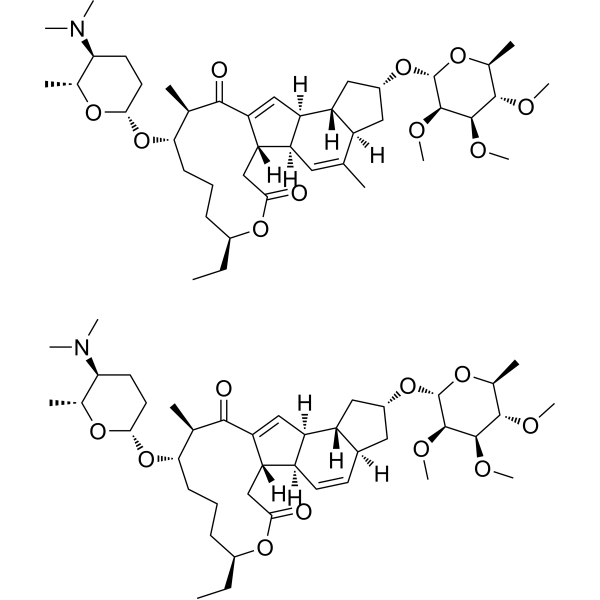
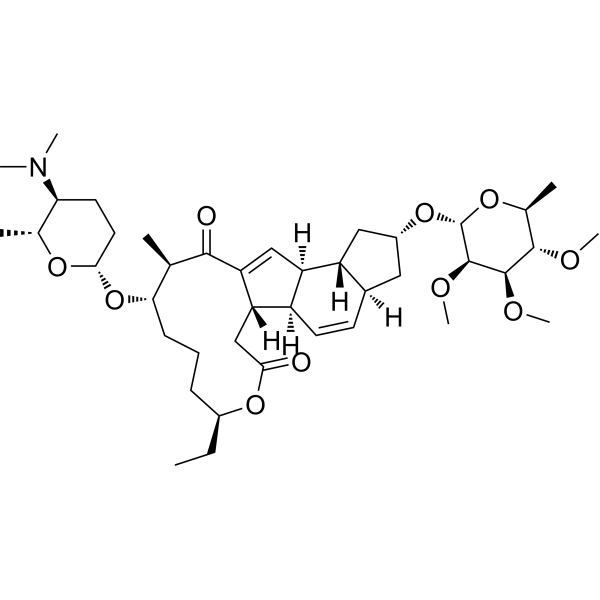
Spinosad, a mixture of spinosyns A and D known as fermentation products of a soil actinomycete (Saccharopolyspora spinosa), is a biological neurotoxic insecticide with a broader action spectrum. Spinosad targets the nicotinic acetylcholine receptor (nAChRs) of the insect nervous system. Spinosad has an excellent environmental and mammalian toxicological profile. Larvicidal activity .
Art. -Nr.: HY-N8903
CAS. Nr.: 222973-44-6
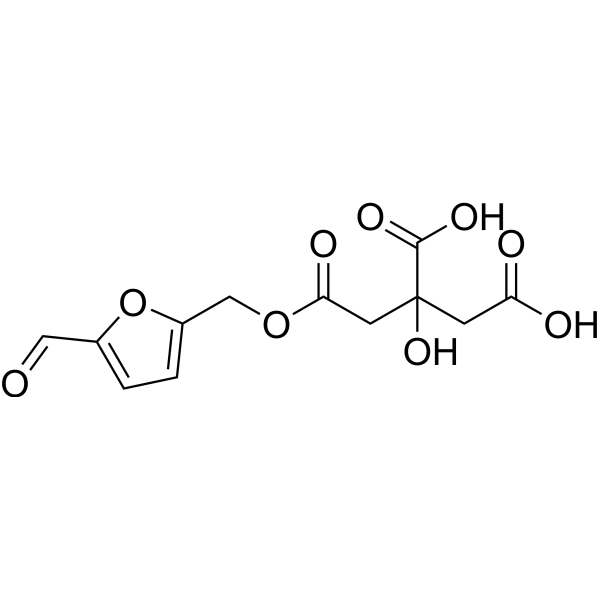
Mumefural is a bioactive component of the processed fruit of Prunus mume Sieb. Mumefural inhibits platelet aggregation. Mumefural shows anti-thrombotic effects and ameliorates cognitive impairment .
Art. -Nr.: HY-N6005
CAS. Nr.: 3843-74-1
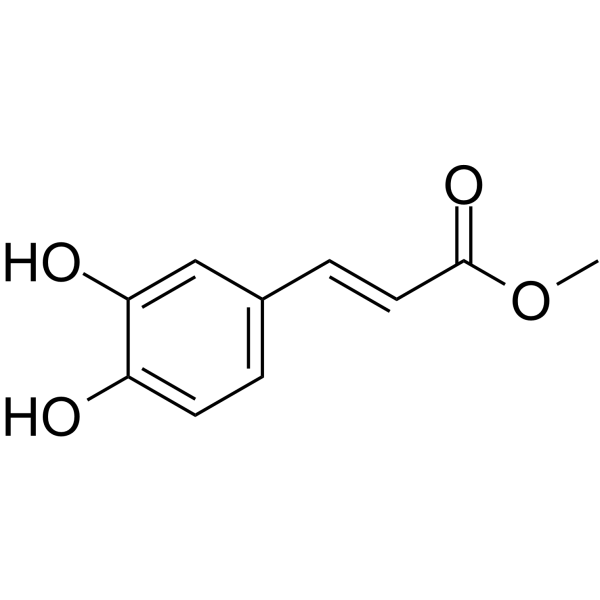
Methyl caffeate is a phenylpropanoid, antibacterial agent, and Apoptosis-inducing agent. Methyl caffeate can be isolated from the flowers of peach Prunus persica (L.). Methyl caffeate upregulates the expression of pro-apoptotic proteins Bid, Bax and p53, and downregulates the expression of anti-apoptotic protein BCL-2. Methyl caffeate downregulates SASP factors. Methyl caffeate enhances glucose-stimulated insulin secretion. Methyl caffeate inhibits the growth of Gram-positive bacteria, Gram-negative bacteria, fungi, and Mycobacterium tuberculosis strains. Methyl caffeate can be used in studies related to breast cancer, type 2 diabetes, and tuberculosis .
Art. -Nr.: HY-B0767
CAS. Nr.: 131929-60-7
Spinosyn A, a polyketide-derived macrolide produced by Saccharopolyspora spinosa, is a potent insecticide .
Art. -Nr.: HY-W091541
CAS. Nr.: 81779-27-3
Synonyms: 4-Hydroxyindole-3-carboxaldehyde
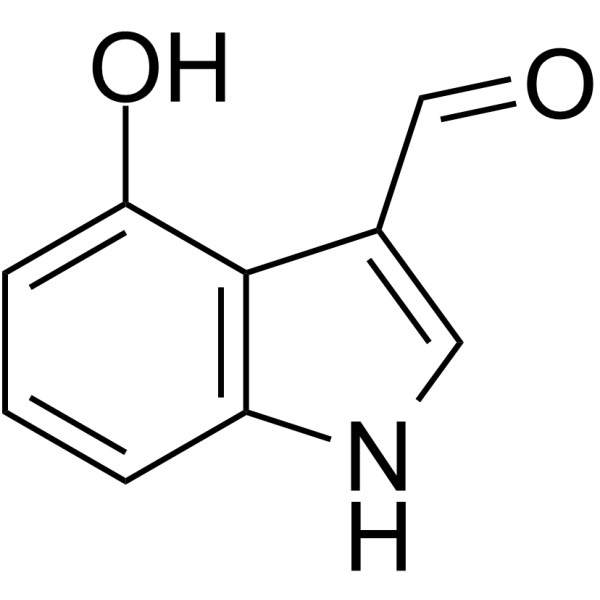
4-Hydroxy-1H-indole-3-carbaldehyde (4-Hydroxyindole-3-carboxaldehyde) is a plant metabolite. 4-Hydroxy-1H-indole-3-carbaldehyde can be isolated from Capparis spinosa L. 4-Hydroxy-1H-indole-3-carbaldehyde can be used in the synthesis of fluorescent probe. 4-Hydroxy-1H-indole-3-carbaldehyde can be used in the study of inflammation-related diseases .
Art. -Nr.: HY-N7683
CAS. Nr.: 89595-66-4
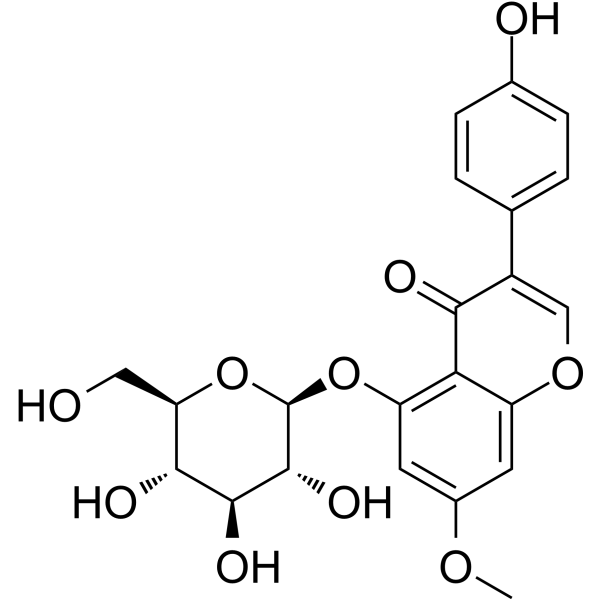
Prunetin 5-O-β-D-glucopyranoside is an isoflavone. Prunetin 5-O-β-D-glucopyranoside can be isolated from the pedicels of Prunus avium and Prunus cerasus. Prunetin 5-O-β-D-glucopyranoside acts as a non-competitive α-glucosidase inhibitor, with a IC50 of 56.05 μg/mL and a Ki of 121 μg/mL against Saccharomyces cerevisiae α-glucosidase. Prunetin 5-O-β-D-glucopyranoside can be used in studies related to type 2 diabetes .
Art. -Nr.: HY-N16551
CAS. Nr.: 521-44-8
Flindulatin is a flavone that can be isolated from C. spinosa .
Art. -Nr.: HY-D0015
CAS. Nr.: 1733-12-6
Cresol red, 97% is an acidic phenolsulfonphthalein triphenylmethane dye. Cresol red, 97% generates reactive oxygen species and singlet oxygen under ultrasonic irradiation, interacts with bovine serum albumin, alters the structure of bovine serum albumin, and oxidizes the fluorescent amino acid residues of bovine serum albumin. Cresol red, 97% can be decolorized and biodegraded by *Absidia spinosa* M15, producing phenylacetic acid and benzoic acid metabolites. Cresol red, 97% serves as a pH indicator (orange at pH 1.8-yellow at pH 2.0, yellow at pH 7.0-purple at pH 8.8). Cresol red, 97% can be used to indicate pH, temperature and salinity .
Art. -Nr.: HY-N1216
CAS. Nr.: 126882-53-9
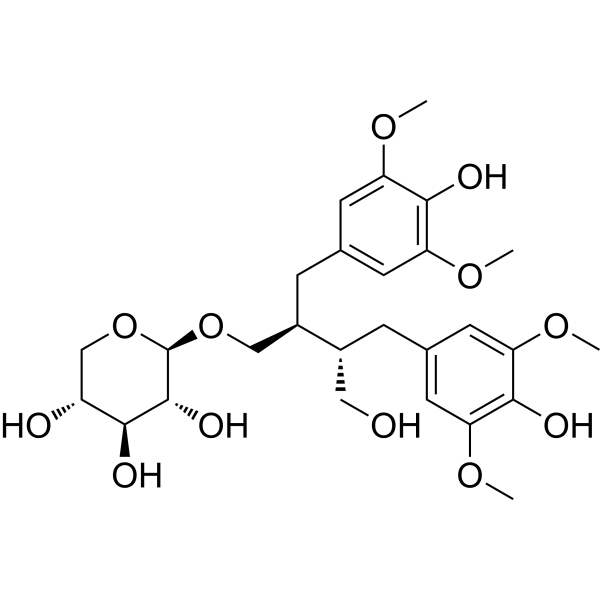
Ssioriside (compound 9) is a lignan xyloside, which can be isolated from the barks of Prunus ssiori and Prunus padus .
Art. -Nr.: HY-N1742
CAS. Nr.: 67214-05-5
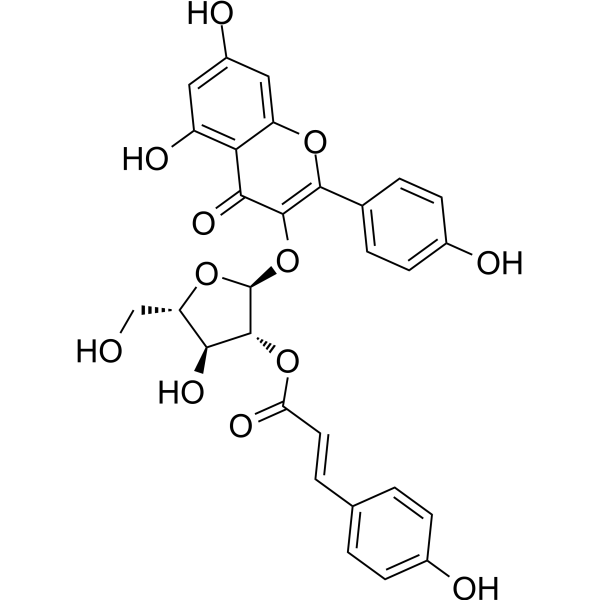
Synonyms: 2''-O-p-Cumaroyleuglanin; Kaempferol 3-O-[2′′-(E)-p-coumaroyl]-α-L-arabinofuranoside
2''-O-Coumaroyljuglanin (2''-O-p-Cumaroyleuglanin) is a flavonoid which can be isolated from the flowers of Prunus spinosa .
Art. -Nr.: HY-W002484
CAS. Nr.: 6100-74-9
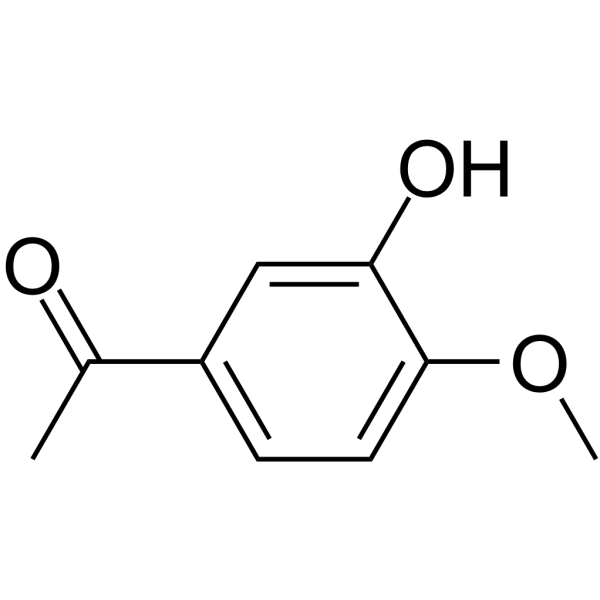
Synonyms: Acetoisovanillone; Isoacetovanillone
3-Hydroxy-4-methoxyacetophenone(Acetoisovanillone; Isoacetovanillone) is an active compound isolated from P. spinosa. Isoacetovanillone possesses anti-inflammatory activity and prevented injuries due to administration of acetic acid in the colon .
Art. -Nr.: HY-N1547
CAS. Nr.: 3443-28-5
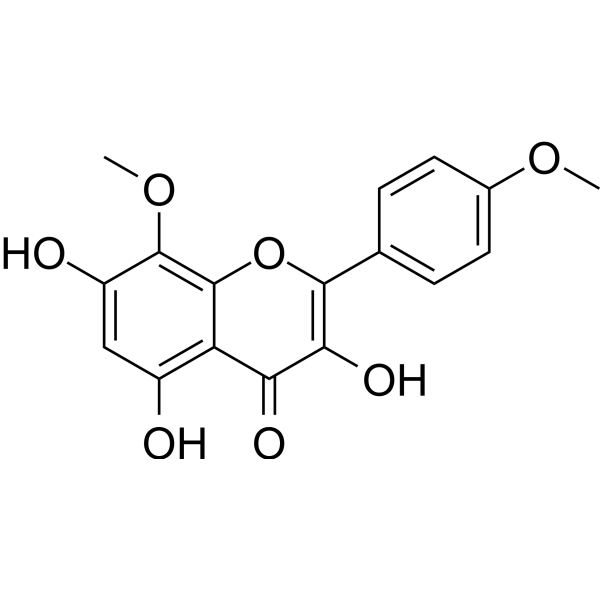
Prudomestin, isolated from the heartwood of Prunus domestica, shows potent xanthine oxidase (XO) inhibitory activity (IC50≈6 µM) .
Art. -Nr.: HY-N3622
CAS. Nr.: 185414-25-9
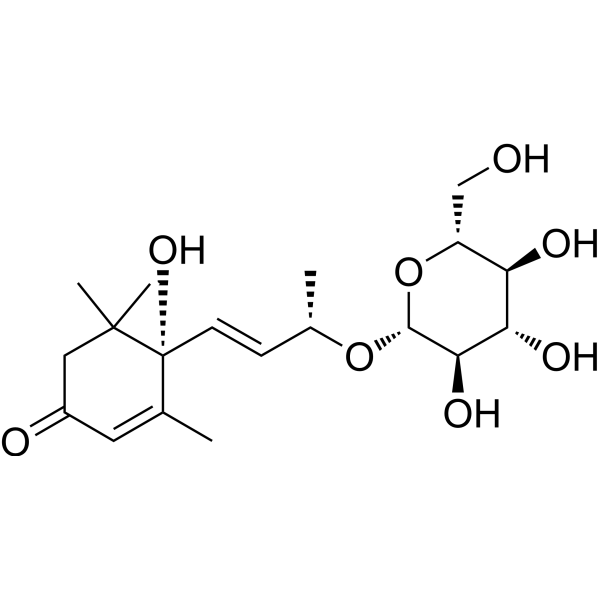
Synonyms: (6S,9S)-Roseoside
Corchoionoside C ((6S,9S)-Roseoside), an ionone glucoside, can be isolated from Capparis spinosa. Corchoionoside C inhibits the antigen-antibody reaction induced histamine release from rat peritoneal exudate cells .
Art. -Nr.: HY-N12878
CAS. Nr.: 20300-53-2
Calleryanin is a phenolic glycoside, which is mainly isolated from Maloideae and Prunus of the family Rosaceae. Calleryanin is used in study of plant defense mechanisms and new drugs development .
Art. -Nr.: HY-N9311
CAS. Nr.: 3934-81-4
Forschungsgebiete:  

Others

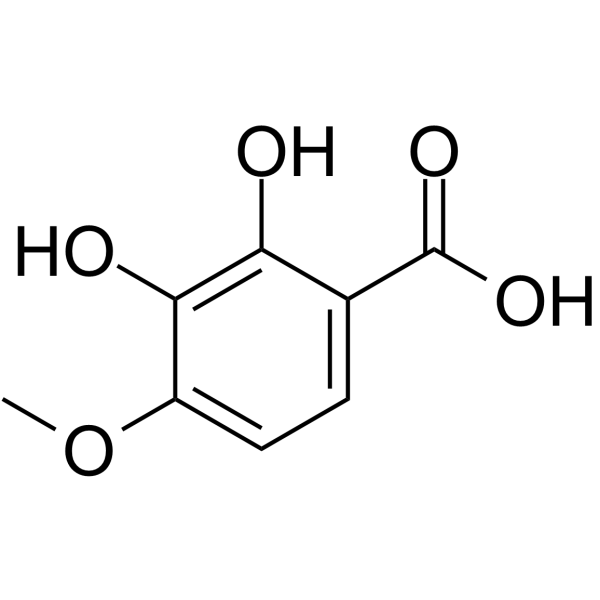
2,3-Dihydroxy-4-methoxybenzoic acid is a Benzoic acid (HY-N0216) derivative that can be isolated from extracted from sweet cherry fruits (Prunus avium). 2,3-Dihydroxy-4-methoxybenzoic acid can be used as an organic synthesis intermediate used for the synthesis of active molecules .
Art. -Nr.: HY-N3120
CAS. Nr.: 80453-44-7
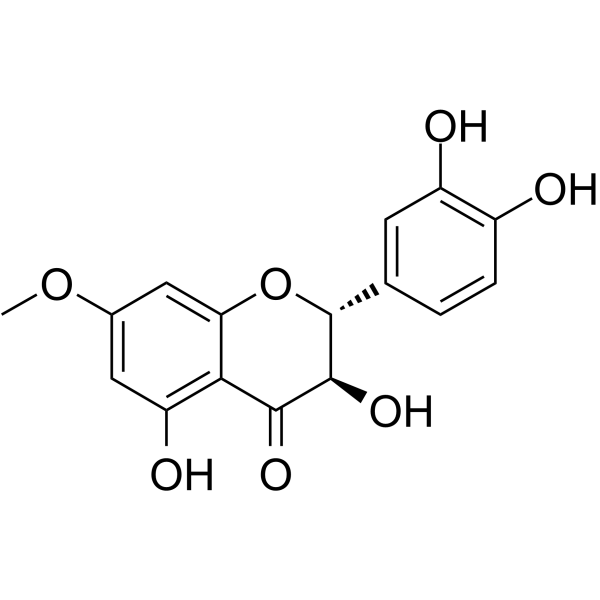
Padmatin is a dihydroflavonol isolated from the heartwood of Prunus puddum .
Art. -Nr.: HY-P2836
CAS. Nr.: 9024-43-5
Synonyms: Mandelonitrile Lyase
Target:  

Endogenous Metabolite

Forschungsgebiete:  

Metabolic Disease

(R)-Mandelonitrile lyase (Mandelonitrile Lyase) is an enzyme that can be isolated from Prunus species .
Art. -Nr.: HY-N8793
CAS. Nr.: 69651-80-5
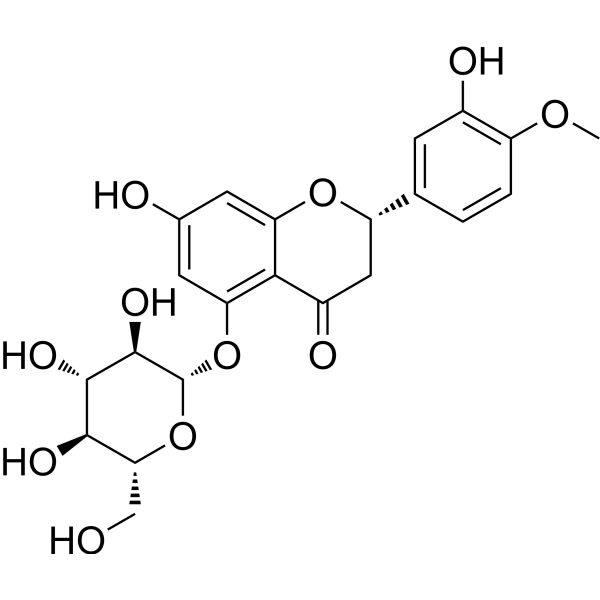
Hesperetin 5-β-D-glucopyranoside is a flavonoid component, that can be isolated from Prunus davidiana .
Art. -Nr.: HY-N12588
CAS. Nr.: 79543-28-5
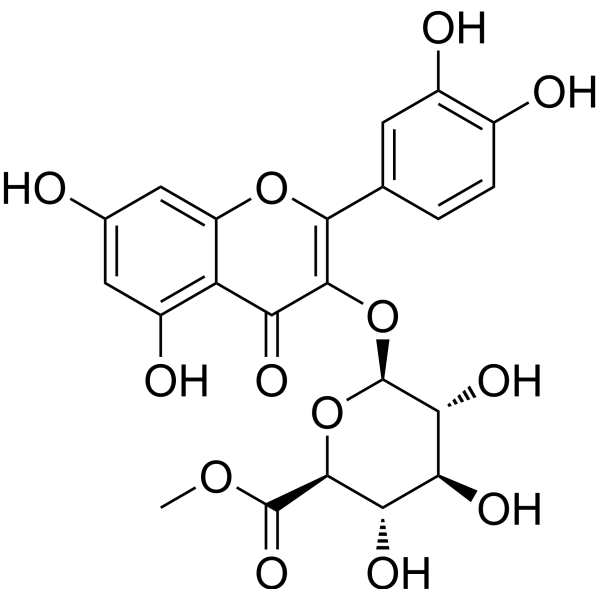
Quercetin 3-O-β-D-glucuronide-6″-methyl ester is a flavonoid isolated from Atraphaxis spinosa L .
Art. -Nr.: HY-N3091
CAS. Nr.: 28978-03-2
Persiconin is a tyrosinase Inhibitor. Persiconin can be isolated from Prunus persica. Persiconin has tyrosinase inhibitory activity of 46% at 500 μM. Persiconin can be used in whitening research .

